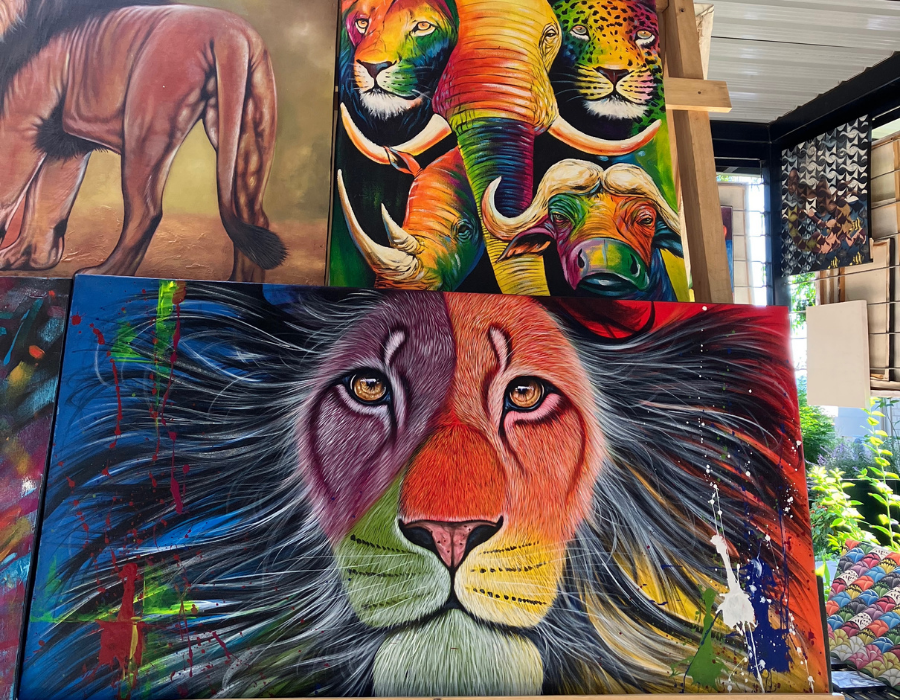
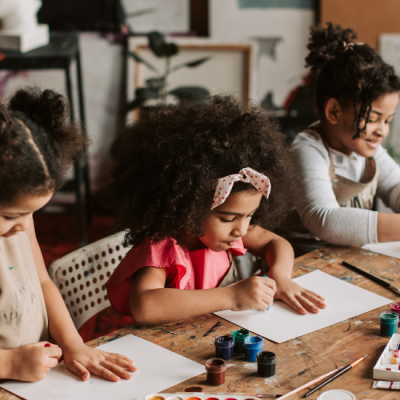
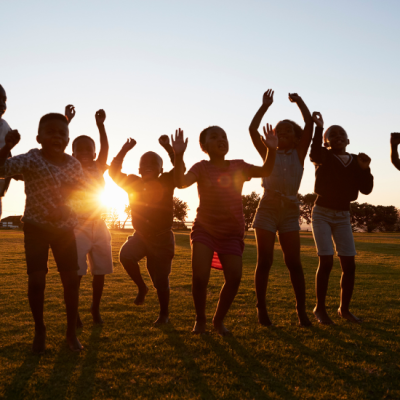
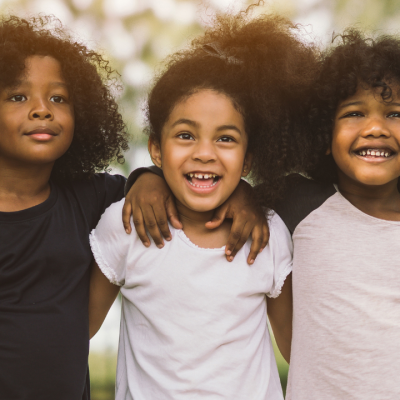
Community workshops support creativity, play, and shared learning—key elements of human well-being. Research shows creative activities reduce stress, strengthen social connection, and improve learning across all ages. In both Tanzania and Western countries, workshops and community spaces help reconnect people with practical skills, confidence, and collective belonging.
For me, creativity, play, and shared learning are not “nice-to-haves.”
They’re not bonuses you earn once real life is taken care of.
They are simply part of being human.
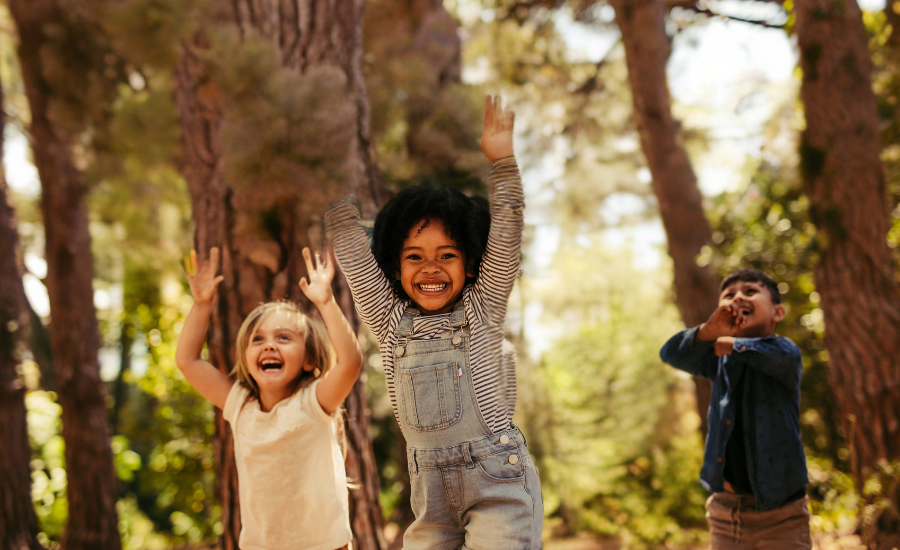
Through history, this is how we learned. Through stories. Through movement. Through making things with our hands. Through watching, copying, trying, failing, and trying again. Children played. Adults sang, repaired, danced, cooked, built, taught, and passed things on. Knowledge lived in bodies, kitchens, workshops, courtyards, and communities—not only in institutions.
Somewhere along the way, especially in modern systems, something shifted.
Creativity became what you do after work, if you still have energy.
Art became optional.
Play became childish.
Community became fragmented.
And we’re feeling the consequences—even if we don’t always have the words for it.
Creativity and Workmanship in Tanzania
In places like Tanzania, access to formal creative spaces is often limited by funding, infrastructure, or the pressure to prioritize survival and academic performance. Community libraries, in my experience, are rare. Workshops, when they exist, are often short-term, externally driven, or dependent on outside funding.
But here is something important I learned by spending time there:
Workmanship is everywhere.
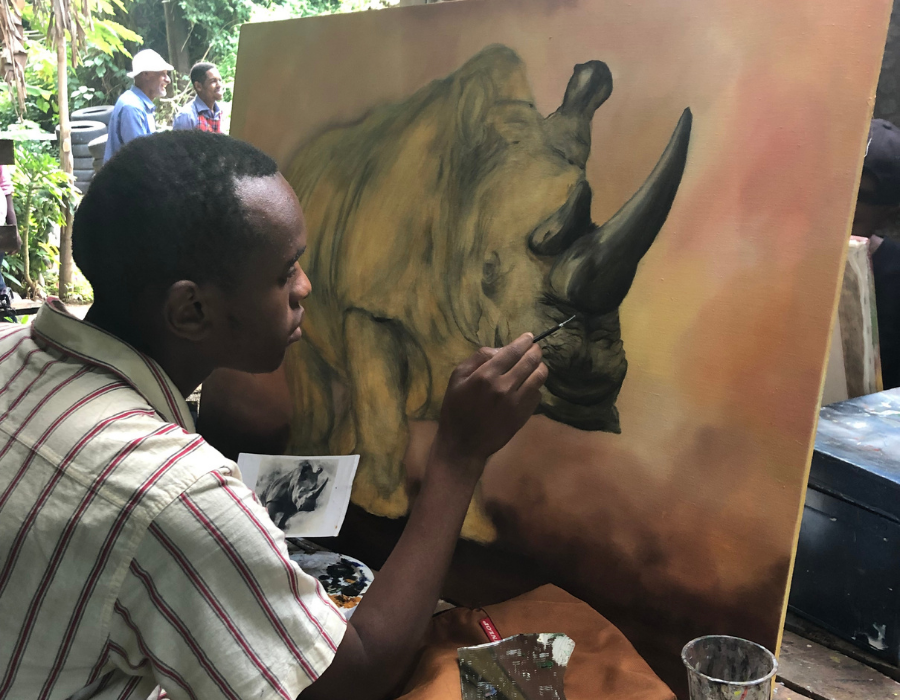
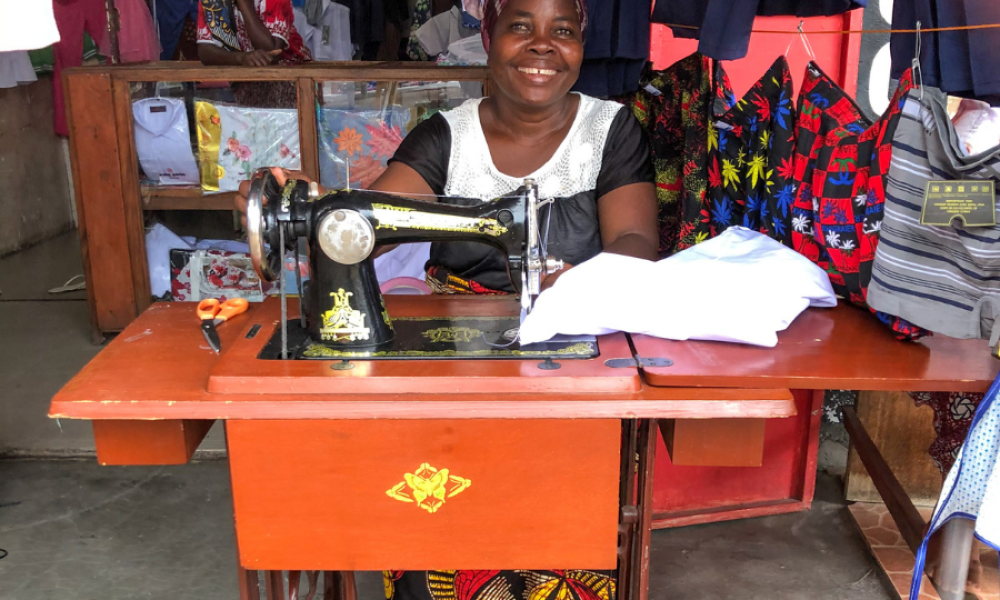
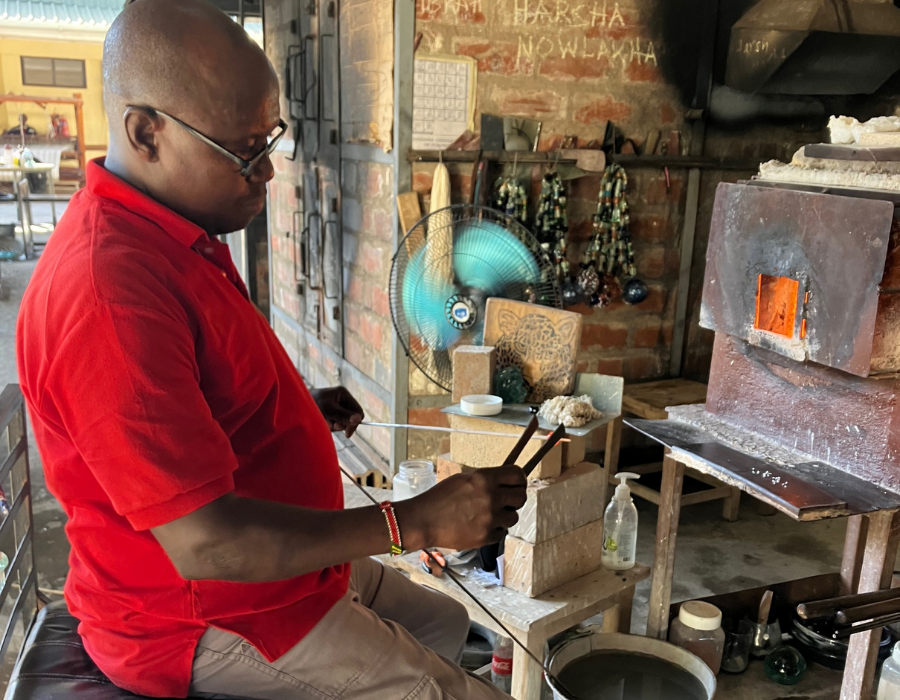
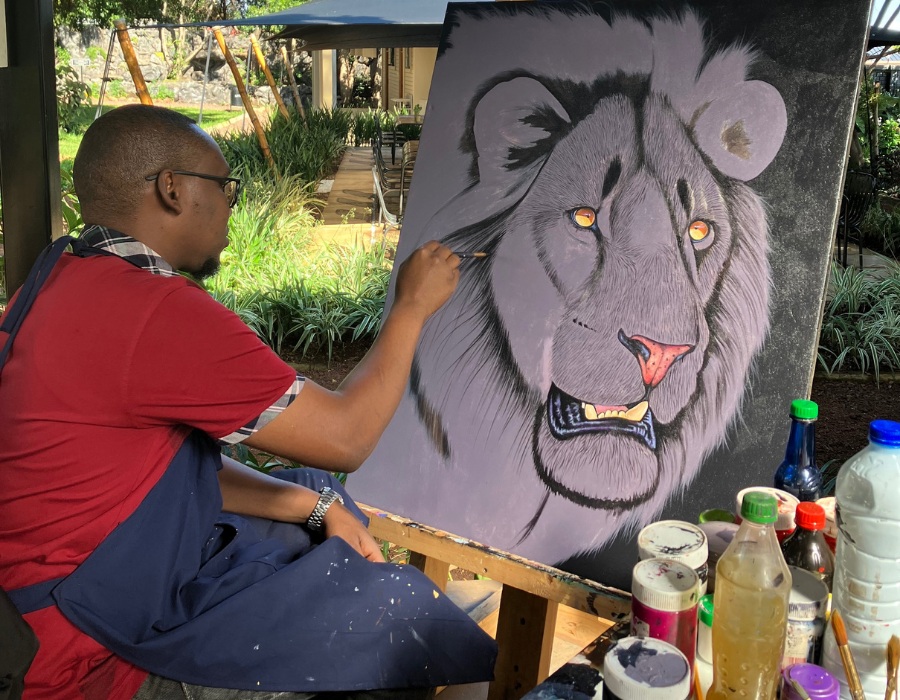
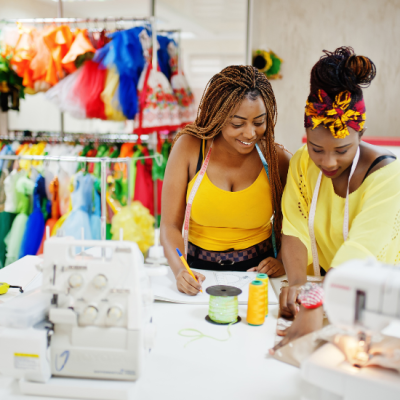
Creativity in Tanzania is not absent. It is practical, embodied, and woven into daily life. You see it in sewing, carpentry, hair braiding, metalwork, cooking, repair, farming, and constant improvisation. People make things because they need to, because they know how, and because knowledge is passed hand to hand.
I’ve learned more by watching people work, repair, and improvise than from many formal programs I’ve seen elsewhere.
This kind of creativity doesn’t always get labeled as “art.” It often isn’t valued by formal systems. But it is real skill, real intelligence, and real cultural wealth.
This workmanship is deeply inspiring to me.
It reminds me that creativity doesn’t need permission to exist—it only needs space to be seen, shared, and supported. My intention has never been to “bring creativity” somewhere as if it were missing. I want to stand beside what already exists. To create moments where skills are acknowledged, exchanged, and strengthened. To give a small push, in my own way, to what is already alive.
Creativity and Community Spaces in Canada and Europe
In places like Canada, the situation looks different—but the outcome can feel surprisingly similar.
Resources exist. Materials exist. Spaces exist.
And yet, creativity is often separated from daily life.
Many people feel disconnected from making, repairing, or learning together. Everything feels scheduled, optimized, measured. Libraries and community centres work hard to bridge this gap, offering activities and safe spaces, but they are increasingly asked to do more with less.
Different contexts. Same tension.
Why Community Workshops Matter
Across these places, the underlying problem is the same.
We haven’t valued creativity enough—not for everyone.
Systems tend to reward conformity, efficiency, and productivity. For many young people, this shows up as pressure to choose the “right” path early, perform constantly, and set aside anything that doesn’t look immediately useful.
When creativity is tolerated, it is often confined to specialists or framed as “talent” rather than a basic human capacity. The result is that many people fall in line, suppress curiosity, and quietly lose confidence in their ability to create, learn, or contribute.
That loss is subtle—but it’s heavy.
The Role of Community Libraries and Shared Spaces
This is where workshops, community activities, and shared creative spaces matter—not as charity projects, and not as entertainment, but as real infrastructure for human well-being.
Workshops create permission.
Permission for adults to play without apology.
Permission for youth to explore without being measured.
Permission for people to gather without having to consume something.
They also create space to experiment without the fear of failing publicly—or choosing the “wrong” future too soon.
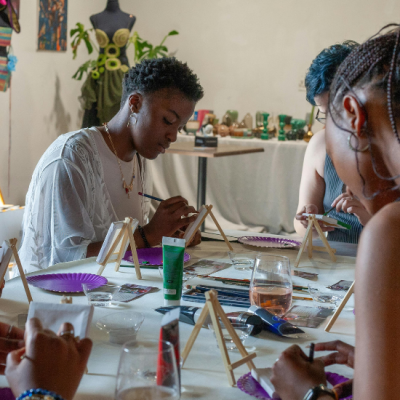
Workshops create equality. People meet as participants, not as titles or income brackets. Someone who struggles academically can still create. Someone who feels shy can still belong. Skills are shared horizontally—not imposed from above.
Community libraries work in the same spirit. They are not just places for books. At their best, they are anchors—spaces where curiosity is protected, learning is informal, and people can exist without being productive for a moment.
When workshops and libraries come together—creative sessions, repair clinics, storytelling, movement, art, shared making—they rebuild something quietly radical: collective confidence.
People remember
that they can learn.
that they can make.
that they can contribute.
that they are not alone.
The Spirit Behind Our Workshops
This is the spirit behind the workshops we offer.
They are intentionally simple, accessible, and participatory. No performance pressure. No expertise required. Just space, materials, guidance, and time. Time to try, to fail, to talk, to move, to create.
In a world that constantly pushes speed, output, and uniformity, choosing creativity and community is a form of care. Sometimes, it’s even a form of resistance.
We don’t need more perfect systems.
We need more places where humans can be human again.
And that starts with shared tables, open rooms, living libraries, and workshops that honour what people already know—while inviting them to imagine, make, and grow together.
These community workshops are designed for youth, adults, and anyone curious about learning through creativity, making, and shared experience.
If you’re curious, skilled, unsure, or somewhere in between—you belong in these spaces.